Blankets and quilts provide essential warmth, comfort, and texture for varied sleeping environments and room atmospheres. In this category, materials range from traditional cotton and wool to performance blends, offering breathable feel, durability, and seasonal adaptability. Understanding fabric weights, weave types, and care requirements helps align a blanket or quilt with personal sleep needs and room aesthetics.
Key features to consider include insulation value, moisture management, and temperature regulation. Natural fibers like cotton and wool offer breathability, while blended fabrics may enhance durability and ease of care. Quilts typically use multiple layers for lightweight warmth, whereas heavier blankets provide robust warmth for cooler climates or layered bedding setups.
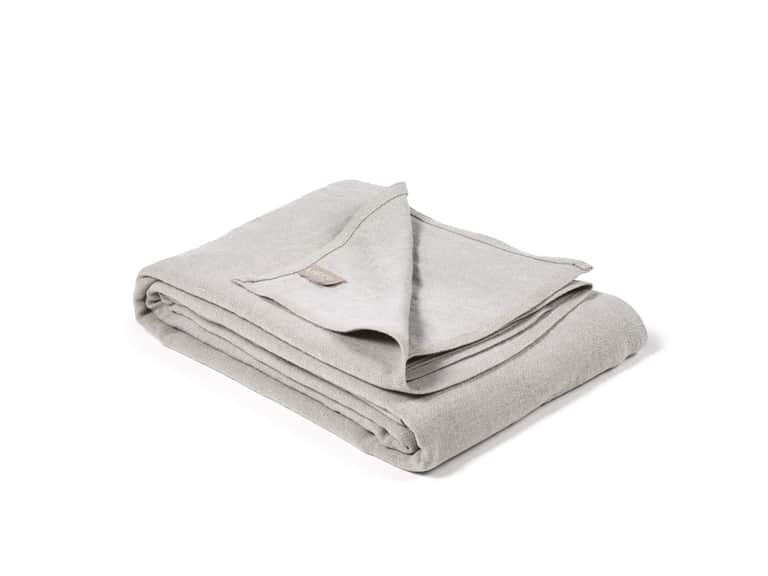
The Hudson Blanket and similar items illustrate how design intersects with function. Look for characteristics such as tight stitching, edge finish quality, and fill type (if applicable) to gauge longevity and maintenance needs. Functional benefits include even heat distribution, reduced pilling, and improved thermal comfort throughout the night.
In addition to sleep performance, blankets and quilts contribute to room acoustics and visual harmony. Neutral tones and simple textures can complement wood furniture and minimalist interiors, while patterned fabrics introduce subtle focal points. When selecting, consider compatibility with existing bedding materials, including organic mattresses and natural latex options where relevant.
Care considerations are essential for preserving fabric integrity. Many blankets and quilts benefit from machine washing on gentle cycles or spot cleaning, with air drying or low-heat tumble drying as recommended. Proper care extends fiber life, preserves softness, and maintains the functional benefits of warmth, breathability, and structural stability.
 Bedding